
Know One or No One – What’s the Difference?
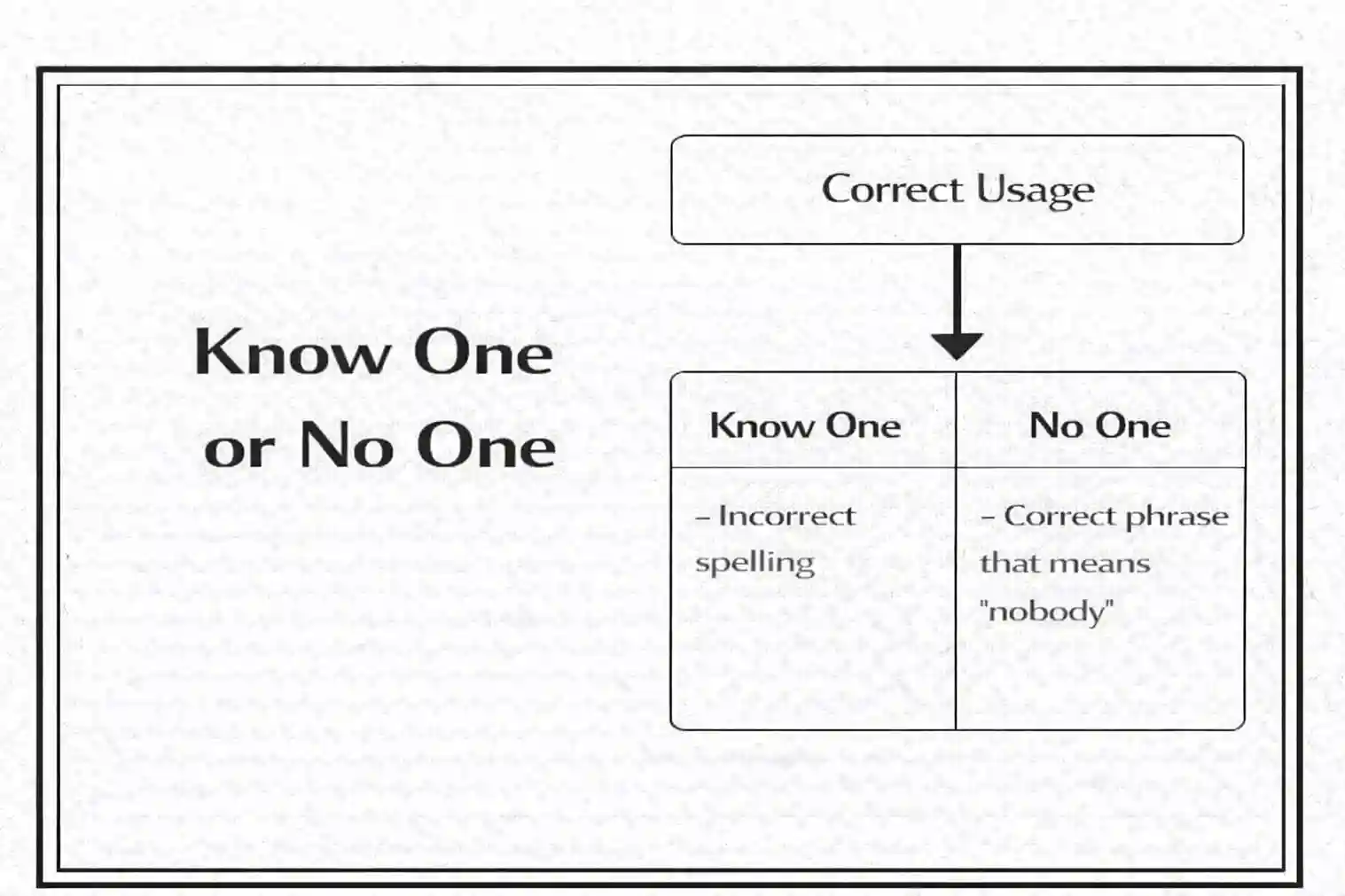
Know One or No One

Sometimes you see people write sentences like: Both look strange. Then you remember phrases like “Know One or No One”, and it becomes even more confusing. The problem is simple: This guide will explain everything in easy language, with lots of examples, so you can tell exactly when to use no one and when know … Read more
Use To or Used To: Which One Is Correct?

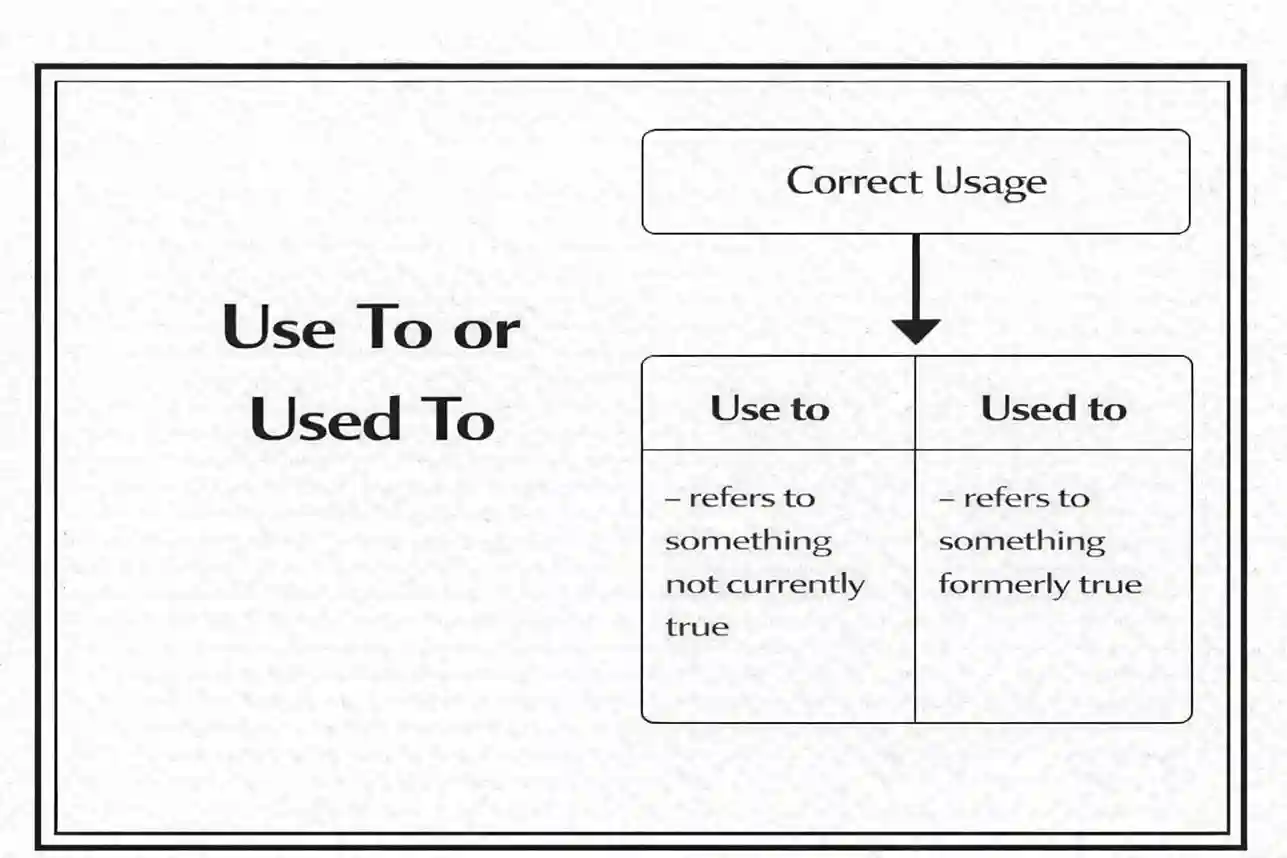
Use To or Used To

You’re typing a sentence and suddenly stop: Should I write use to or used to? “I use to go there” or “I used to go there”? You see both versions online. Sometimes friends type use to, sometimes teachers say used to. Spell check may not always help. It can feel annoying and embarrassing, especially if … Read more

Who or Whom: Which One Should You Use?

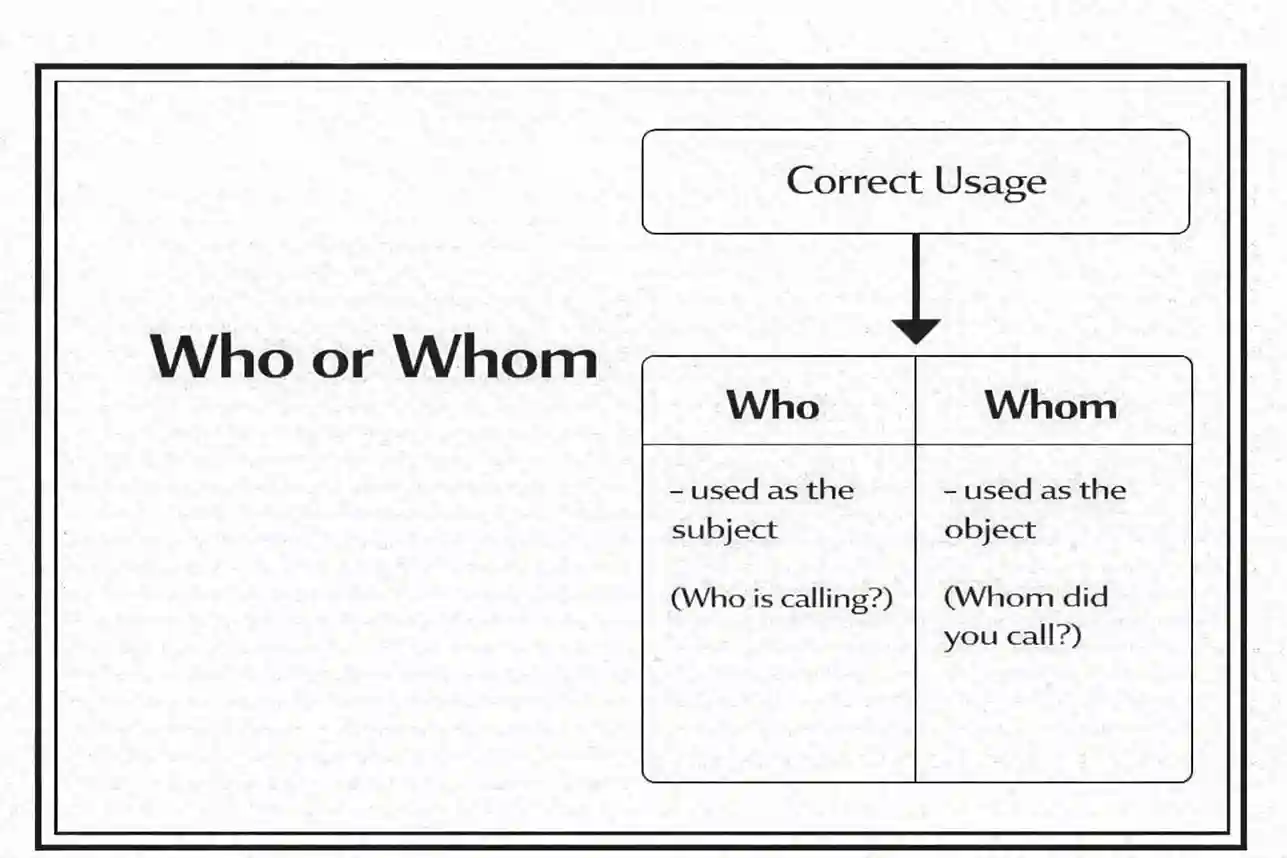
Who or Whom

You’re writing a message and suddenly freeze: Who or whom? “Who are you talking to?” or “Whom are you talking to?”“To who?” or “To whom?” You see who vs whom questions everywhere — in exams, emails, job applications, even on social media.Teachers say one thing, the internet says another. Very confusing. Let’s fix it in … Read more

Requester vs Requestor – Clear Guide (With Examples)

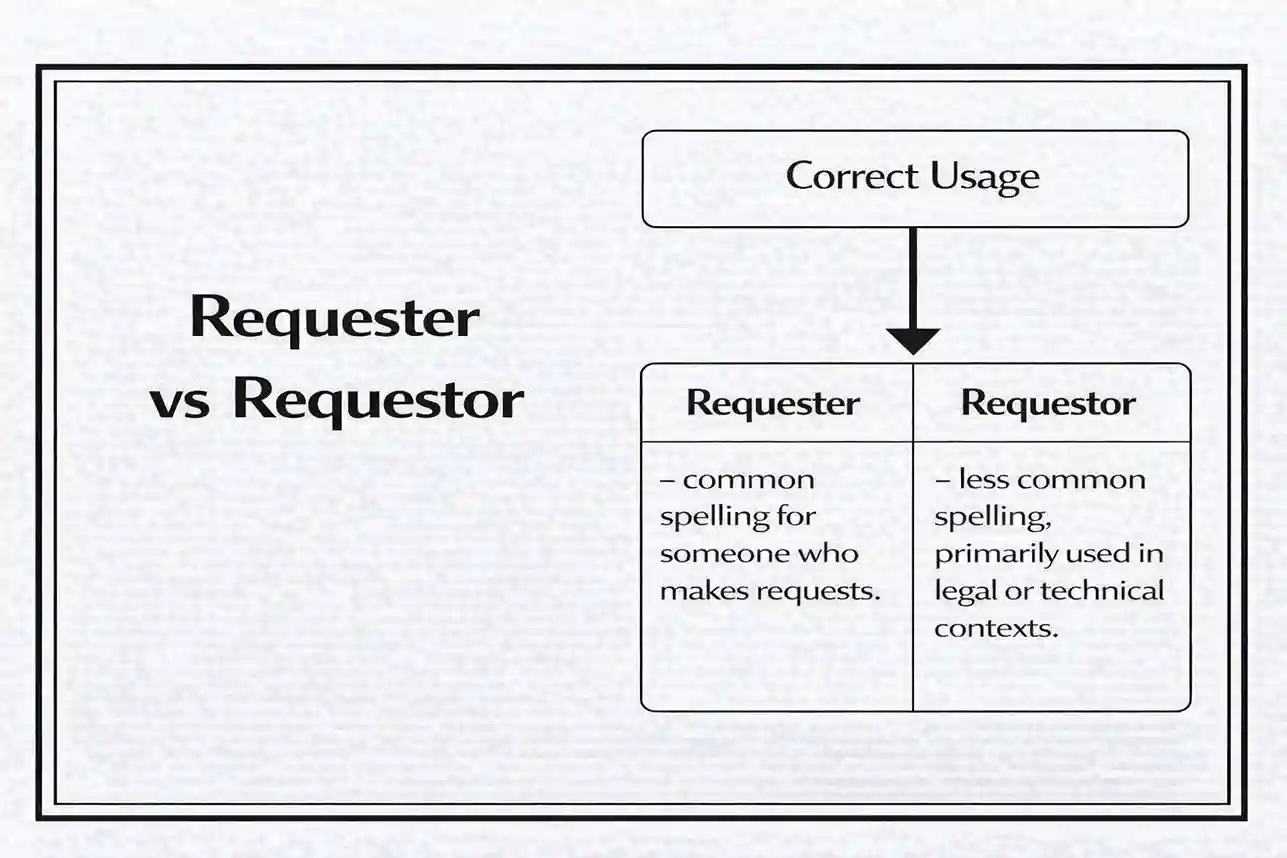
Requester vs Requestor

If you searched “Requester vs Requestor”, you’re probably dealing with one of these: Let’s keep this simple, clear, and practical. Short answer The rest of this guide explains Requester vs Requestor in easy language, with examples, tables, and situations. What Does “Requester” Mean? Requester is a noun.It means the person or group who asks for … Read more

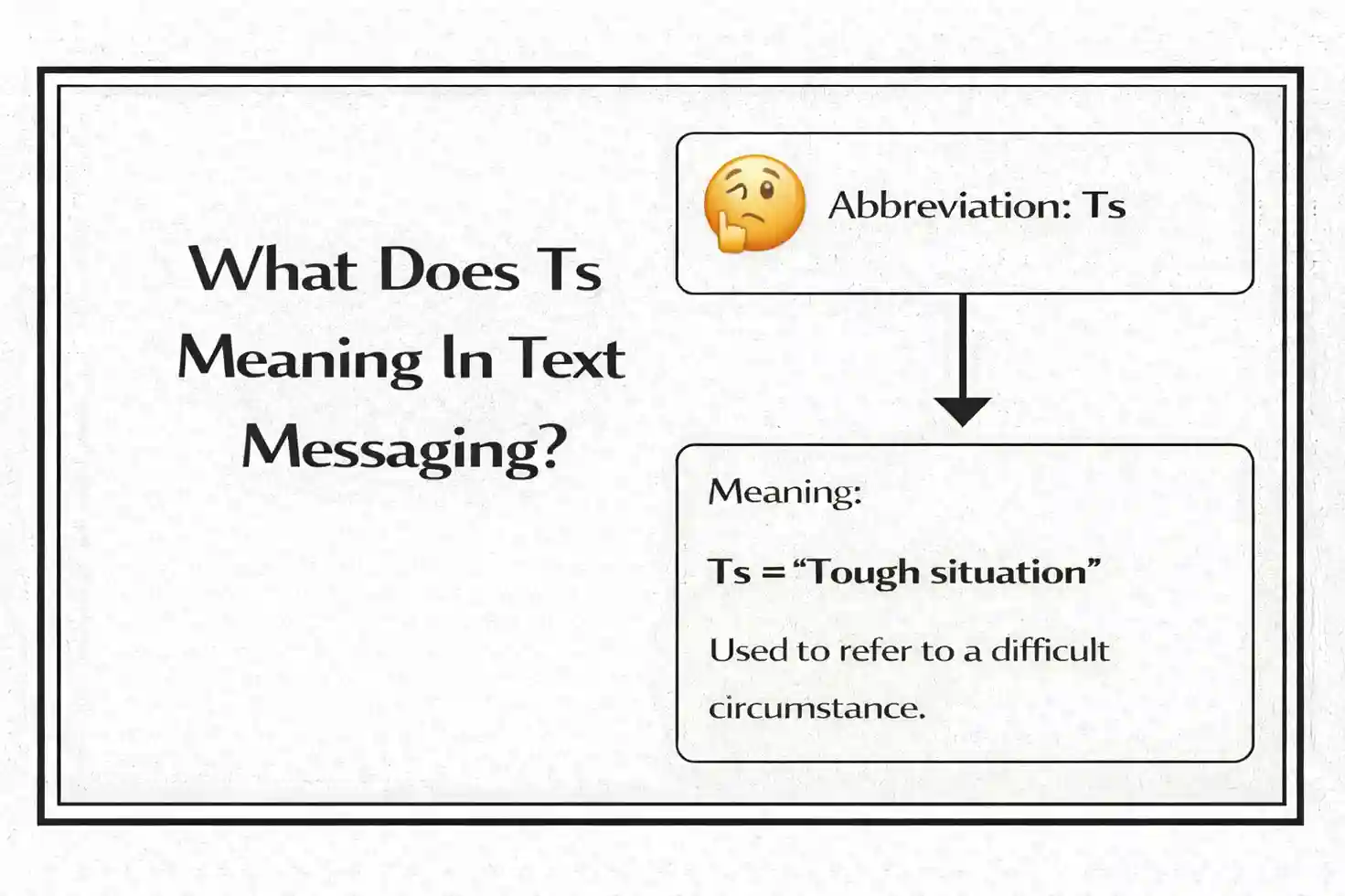
What Does Ts Meaning In Text Messaging?

What Does Ts Meaning In Text Messaging

You’re scrolling through chats or comments and suddenly see “TS”: Same two letters, but clearly not the same meaning. That’s because TS doesn’t have just one meaning. People use it in different ways depending on: This guide breaks down the most common TS meanings in simple language: You can use this as a full, stand-alone … Read more